How Raysync's Smart Routing & Automated Optimization Revolutionizes Data Movement
January 10, 2026
In today's digital enterprise landscape, moving large volumes of data isn't just about speed—it's about intelligent efficiency. Traditional file transfer methods waste bandwidth, increase costs, and create operational bottlenecks. Raysync transforms this paradigm with AI-driven intelligence that doesn't just move files faster, but moves them smarter.
Beyond Acceleration: The Intelligence Layer Modern Businesses Need
While most transfer solutions focus solely on raw speed, Raysync recognizes that true efficiency lies in optimization. Raysync analyzes network conditions, business patterns, and data priorities to make autonomous decisions that maximize throughput while minimizing costs and disruptions.
1. Smart Scheduling: Transfer When It Makes Sense
Why compete for bandwidth during peak business hours?
Raysync's intelligent scheduling feature allows organizations to:
-
Set automated transfer windows during off-peak hours (e.g., 10 PM to 6 AM)
-
Prioritize business-critical applications during working hours
-
Reduce network congestion by up to 40% through intelligent timing
-
Ensure large data migrations complete before teams arrive in the morning
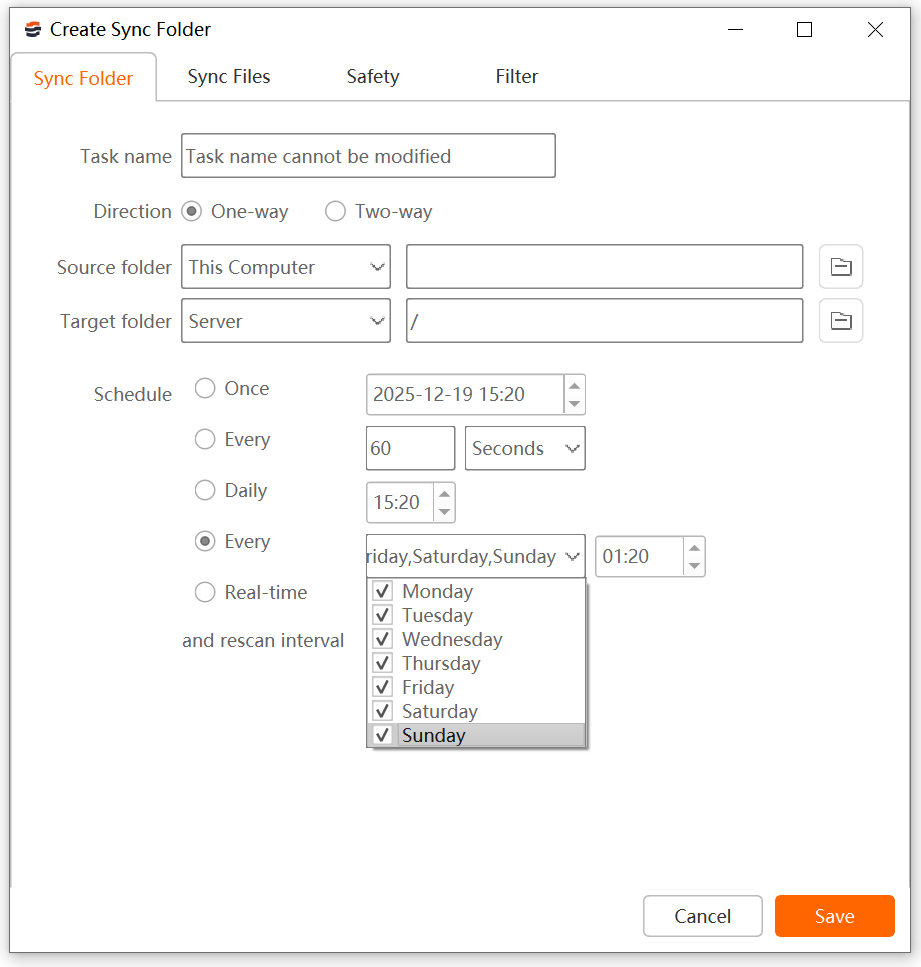
Real-world application: A global animation studio reduced their transfer costs by 65% by scheduling render file transfers overnight, eliminating daytime bandwidth competition that previously slowed their creative workflows.
2. Dynamic Bandwidth Management: Right-Speed, Not Just High-Speed
More bandwidth doesn't always mean better utilization.
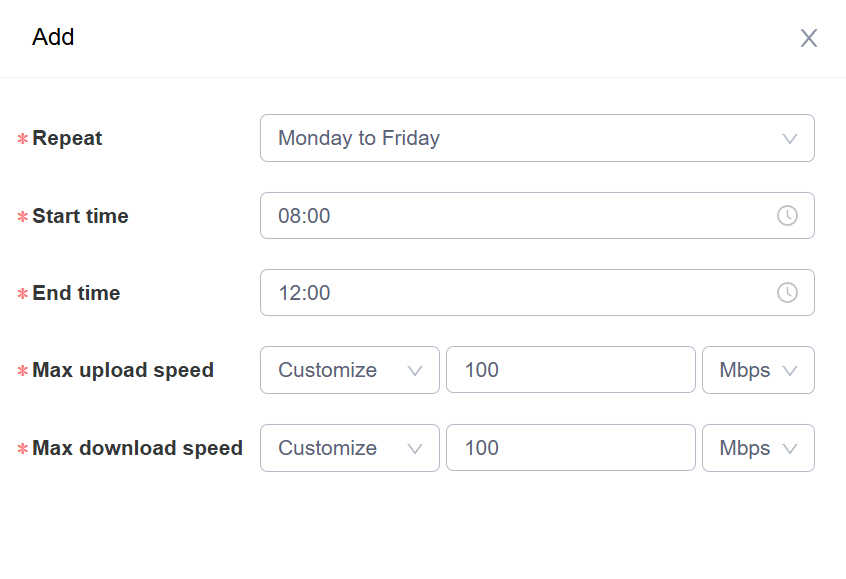
Raysync's time-based bandwidth controls enable:
-
Automatic speed throttling during specified periods (e.g., limiting transfers to 30% of bandwidth during video conferences)
-
Cross-department fairness preventing single teams from monopolizing resources
3. Protocol Intelligence: Automatic TCP/UDP Switching
Why force IT teams to manually choose protocols when conditions change minute by minute?
Raysync's adaptive protocol engine features:
-
Real-time network assessment that evaluates packet loss, latency, and jitter
-
Automatic protocol switching between TCP and UDP based on current conditions
-
Performance optimization that maintains 80%+ bandwidth utilization regardless of network quality
-
Seamless transitions with zero interruption to active transfers
Measurable Business Outcomes
Organizations implementing Raysync transfer solution typically achieve:
-
45-65% reduction in overall data transfer costs
-
70% decrease in IT management time for transfer configuration
-
3-5x improvement in effective bandwidth utilization
-
Zero unplanned disruptions to business-critical applications
-
24/7 autonomous operation with intelligent exception handling
Stop managing transfers. Start optimizing data flow.
With Raysync, your organization gains more than a faster transfer solution—you gain a strategic advantage in data mobility that reduces costs, improves reliability, and frees your team to focus on innovation rather than infrastructure.
You might also like

Industry news
July 18, 2024Discover the best file sharing for small businesses and explore top options to enhance collaboration, security, and efficiency.

Industry news
August 2, 2024Discover the top 4 file synchronization programs for both individuals and businesses. Explore detailed insights on file sync software, including its features, pros, cons, and free trial policies.
Industry news
November 27, 2024Delve into the world of AWS File Transfer in 2025. Explore its features, pricing, and ideal use cases. Discover if it's the right solution for your file transfer needs.